
Why Fencing Your Above-Ground Pool Matters
Why You Should Install an Above-Ground Pool Fence
Many homeowners assume that because their pool sits above the ground, it’s automatically safer or exempt from fencing laws. In West Central Florida, any pool deeper than 24 inches must be enclosed by an above-ground pool fence at least 4 feet tall with a self-latching gate. A compliant fence protects children, satisfies insurers, and shields you from costly liability.
Let’s dive into why a backyard pool fence matters, what the law requires in Florida, and how to choose the right barrier for your property. By the end, you’ll know exactly what steps to take to keep your family safe and your setup compliant.
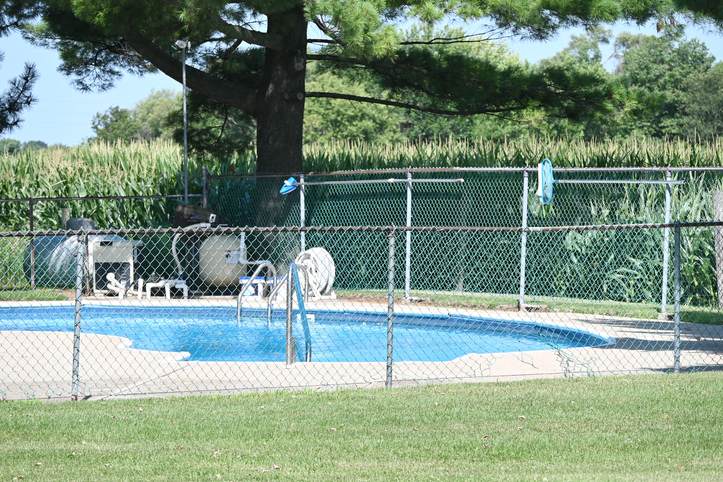
Key Benefits of Above-Ground Pool Safety Fence Installation
A proper swimming pool safety fence delivers real, tangible value to your household. Key benefits include:
- Children and Pets Protection – A compliant fence prevents unsupervised access, which is the single biggest factor in preventing drownings.
- Satisfies Insurance Requirements – Many insurers require a compliant barrier as a condition of coverage. Skipping this step can lead to premium increases, claim denials, or even policy cancellation.
- Reduces Liability – Residential pools are considered “attractive nuisances.” If a foreseeable hazard exists without a barrier, your legal exposure rises sharply in the event of an injury.
- Peace of Mind – Knowing your pool is secured means you can relax and enjoy it, rather than worrying every time a child wanders into the backyard.
Why Fence Requirements Exist for Pools
Pool barrier laws exist to prevent unsupervised access, especially by young children. The specific measurements in building codes are engineered to stop small children from squeezing through, climbing over, or reaching latch hardware.
Florida’s rules stem from the Residential Swimming Pool Safety Act, which was enacted to protect small children who might wander into a pool and drown. The law recognizes a hard truth: many homeowners believe a fence around their yard keeps their kids safe, when in reality, their own children often have the easiest access of all.
Depth, accessibility, and surrounding structures matter far more than whether a pool sits in the ground or above it. That’s why ladders, decks, and climbable landscaping can instantly turn a “safe” pool into a hazard.
Are Above-Ground Pools Safer Than In-Ground Pools?
In some ways, yes, but not enough to skip a fence. Because above-ground pools are raised off the ground, it can be harder for a small child or pet to wander in accidentally. Most models also come with a locking ladder or removable steps, which adds a layer of protection that in-ground pools lack.
However, that built-in advantage disappears the moment access is made easy. A permanent ladder left in place, an attached deck, or nearby climbable objects can all give a child an entry point. The pool wall may stand 48 inches tall, but if a ladder or platform bypasses it, that wall no longer functions as a barrier.
Common Above-Ground Pool Fence Requirements
While exact rules vary by county, most jurisdictions in West Central Florida follow the same core standards. Here’s what inspectors typically look for:
- Minimum barrier height of 48 inches measured from grade
- Non-climbable design, with no horizontal rails or footholds that a child could use
- A self-closing, self-latching gate that opens away from the pool area
- Vertical picket spacing no greater than 4 inches
- A maximum clearance of 2 to 4 inches beneath the fence
- Latch hardware mounted high
- The barrier is positioned at least 1.5 feet from the pool’s edge, per Florida guidance
- Any pool deeper than 24 inches must be enclosed by a barrier
How to Choose the Right Above-Ground Pool Fence
Choosing the right barrier depends on your property layout, the permanence of your pool, and your compliance needs. Here are the most common options among fences for above-ground pools:
- Mesh Safety Fencing – Mesh fencing is popular for its transparency. It protects while preserving your view of the pool and the rest of the yard. When paired with a compliant gate, it meets code and remains easy to remove when needed. Choose mesh if visibility and flexibility matter most to you.
- Permanent Aluminum Fencing – Aluminum offers durability, corrosion resistance, and precise picket spacing that aligns neatly with inspection standards. In Florida’s salty, humid coastal air, corrosion resistance is a real advantage. Choose aluminum if you want a long-lasting, low-maintenance barrier for a permanent pool.
- Removable Pool Fencing – Removable systems provide flexibility for seasonal pools or properties that need adaptable solutions. Choose removable fencing if your pool comes down in the off-season or your yard layout changes often.
Protect Your Family With the Right Above-Ground Pool Fence
An above-ground swimming pool fence is the first and most critical layer of protection between your family and a preventable tragedy. In West Central Florida, the law is clear: pools deeper than 24 inches need a compliant, non-climbable barrier with a self-latching gate.
Start by verifying your local county’s requirements, then run through a simple checklist to confirm the height, check gap spacing, install a self-closing gate, and remove any climbable objects within 36 inches of the barrier. When you’re ready, our team at My Baby Fence can install your above-ground pool fence and ensure your setup passes inspection on the first try. Contact us today for a quote.
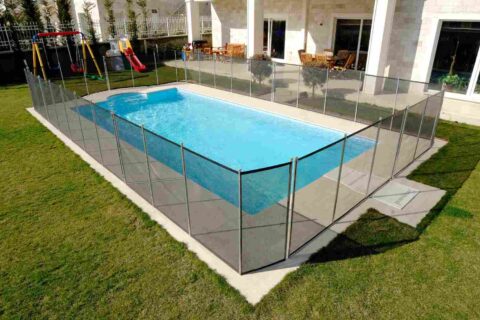
A backyard pool is a wonderful way to cool off in summer. However, if you share that yard with a dog, it can also become a serious hazard. A pet-safe…
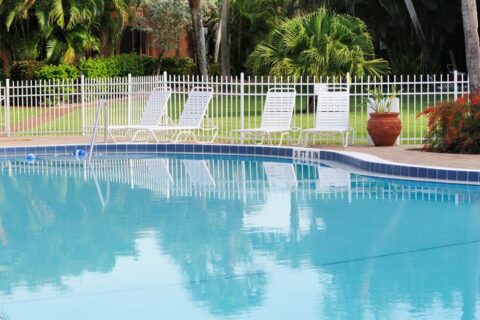
In Florida, pool fences are required because they serve as an important safety measure to prevent drowning accidents. Drowning remains a leading…