
A Guide to Pool Fence Requirements in Florida
In Florida, pool fences are required because they serve as an important safety measure to prevent drowning accidents. Drowning remains a leading cause of accidental death for children under five in the state, and that grim reality shaped some of the strictest pool fence laws in the country.
Below, we’ll break down everything you need to know about pool fence requirements in Florida. Whether you’re installing a new pool, buying a home with an existing one, or upgrading an older barrier, you’ll walk away knowing exactly what it takes to stay compliant and keep your loved ones safe.
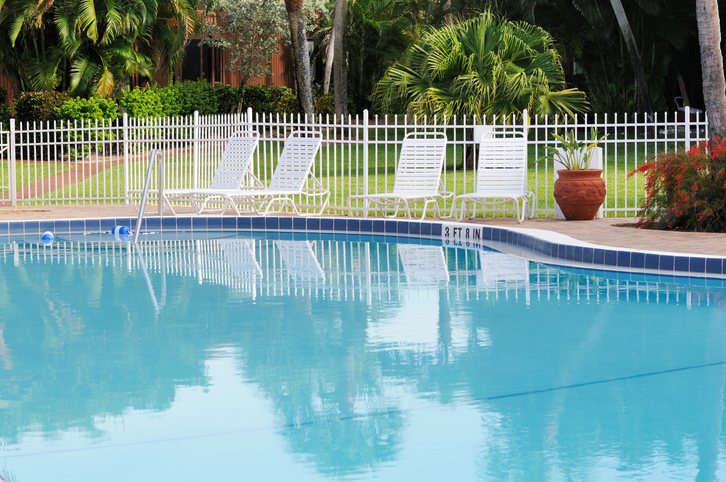
Why Pool Fence Requirements Matter?
A child safety pool fence is a life-saving barrier. Florida leads the nation in drowning fatalities among young children, which is why the state passed the Residential Swimming Pool Safety Act. The idea behind the law is simple. Physical barriers and alarms delay or deny unsupervised access to the water, buying precious time for a parent or caretaker to respond. These pool safety standards protect the people most at risk, including small children, the elderly, and individuals with disabilities. There are legal stakes, too. Failing to meet pool safety fence requirements in Florida is a second-degree misdemeanor.
Are Pool Fences Required?
Yes, under Florida law, any residential pool, spa, or hot tub built after October 1, 2000, must include at least one approved safety feature. A fence is the most popular choice. To comply with the law, your pool must have one of the following:
- A pool barrier or fence that meets height and spacing standards
- A self-closing, self-latching gate as part of the barrier
- Exit alarms on all doors and windows if your home wall serves as part of the barrier
- An ASTM F1346-compliant safety pool cover capable of supporting weight and preventing entry
Common Pool Fence Requirements
Most Florida homeowners choose a fence, so it helps to know exactly what makes one compliant. Here are the core pool safety fence requirements under Florida law:
- Minimum Fence Height – Every residential pool barrier must stand at least 4 feet tall, measured from the outside ground level. These pool fence height requirements are designed to prevent small children from climbing over or squeezing through a poorly built fence.
- No Gaps or Climbable Surfaces – The barrier must not have any openings, gaps, protrusions, or footholds. Openings can’t be larger than 4 inches in diameter. Mesh openings can’t exceed 1¼ inches unless slats are fastened at the top and bottom to prevent climbing. Horizontal components must be spaced at least 45 inches apart; if they’re closer than 45 inches, vertical pickets must be spaced no more than 1¾ inches apart.
- Gates That Swing Out and Self-Latch – Every gate leading to the pool must swing outward away from the pool, be self-closing and self-latching, and have a latch release located at least 54 inches from the ground on the pool-facing side. Placing the latch high keeps it out of a curious child’s reach, even if the gate is left open.
- Proper Barrier Placement – The fence must sit far enough from the water’s edge to stop someone from falling directly in if they breach the barrier. Some counties enforce a minimum 5-foot clearance between the barrier and the water.
Choosing the Right Type of Pool Fence
Florida homeowners have several pool fence options to choose from, each with its own strengths. Here’s a closer look at the most common types and how they compare to Florida’s pool safety standards.
- Removable Mesh Fences – Mesh fences are durable, see-through, and easy to take down for events or the off-season. To remain legal, they must be at least 48 inches tall, be ASTM F2286-compliant, and be fitted with a self-latching gate and secure ground sleeves.
- Aluminum Fences – Weather-resistant and low-maintenance, aluminum holds up well in Florida’s humidity and looks sleek around a modern pool.
- Vinyl Fences – Sturdy and easy to clean, vinyl offers privacy along with protection.
- Hurricane-Rated Wood Fences – These are a solid pick in storm-prone areas, as long as the design stays non-climbable.
Contact Us Today for a Pool Fence Quote
Florida’s pool fence requirements boil down to a few core principles: a sturdy barrier at least 48 inches tall, no climbable gaps, a self-latching gate, and proper distance from the water. Follow these, and you’ll meet the state’s pool safety standards while protecting the people you love. If you’re planning your next steps, contact us for an installation quote. Our team will help you pick the best spot for your fence, and our transparent pricing means no surprises on installation day.
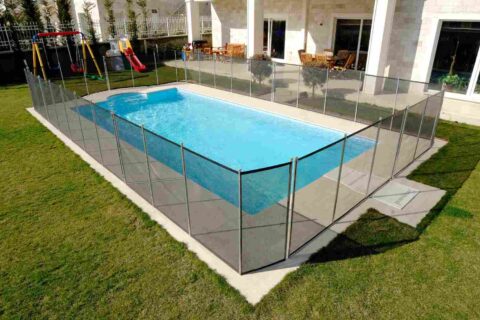
A backyard pool is a wonderful way to cool off in summer. However, if you share that yard with a dog, it can also become a serious hazard. A pet-safe…
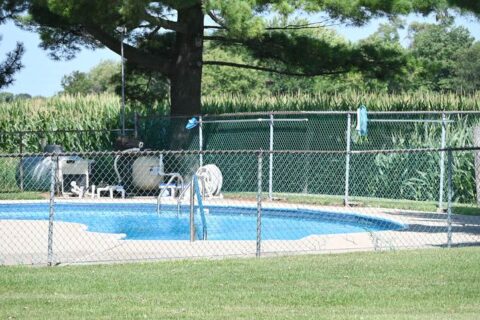
Why You Should Install an Above-Ground Pool Fence
Many homeowners assume that because their pool sits above the ground, it’s automatically safer or…